A. Mapping of Learning Outcomes for Undergraduate Doctor Education
In the 2021 curriculum, the superior content of the Archipelago Medicine is presented in the Special Block course and is integrated with other blocks, namely:
1 credits of the island's superior cargo block in semester VI
Minimum 0.2 credits are integrated in the student project for 21 blocks in the PSPD curriculum (more details in Table 1), so the total is 4.2 credits
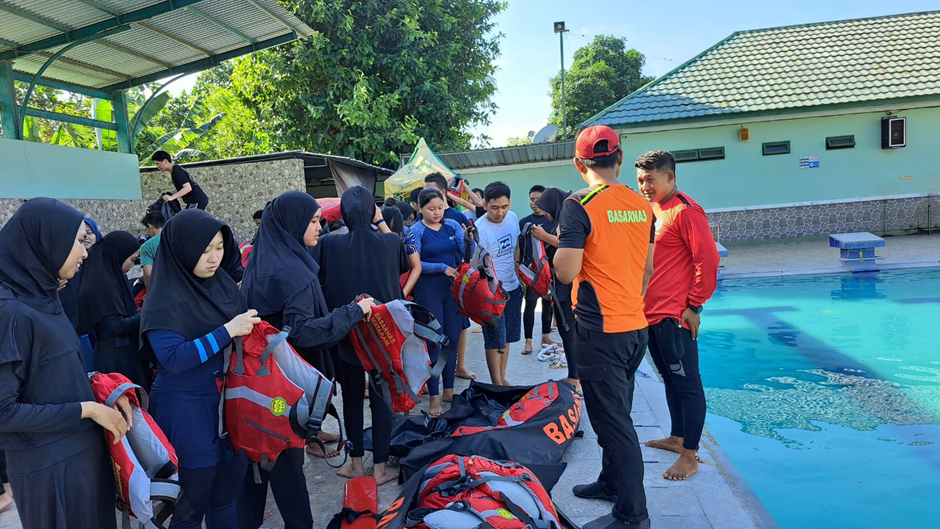
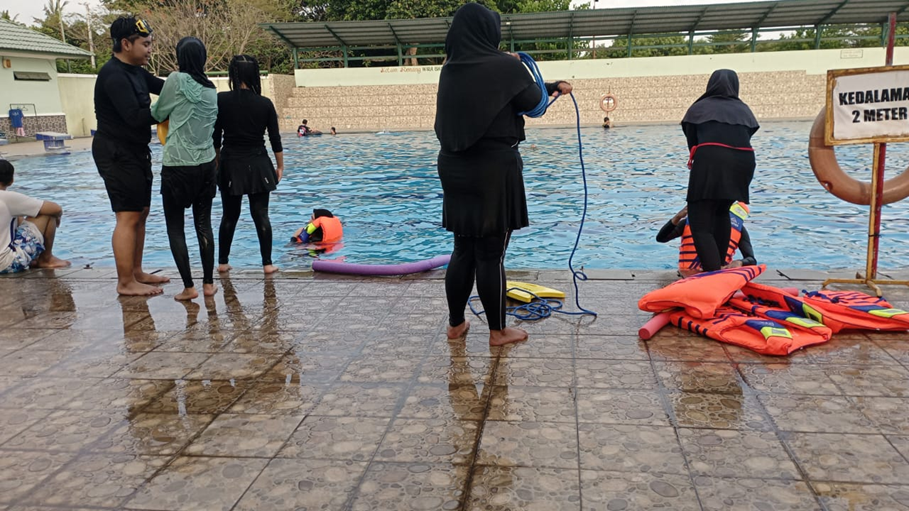
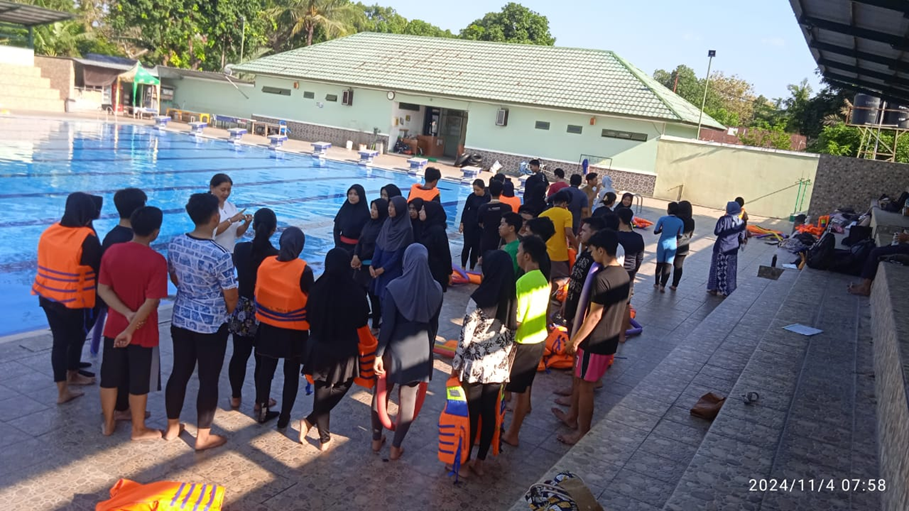
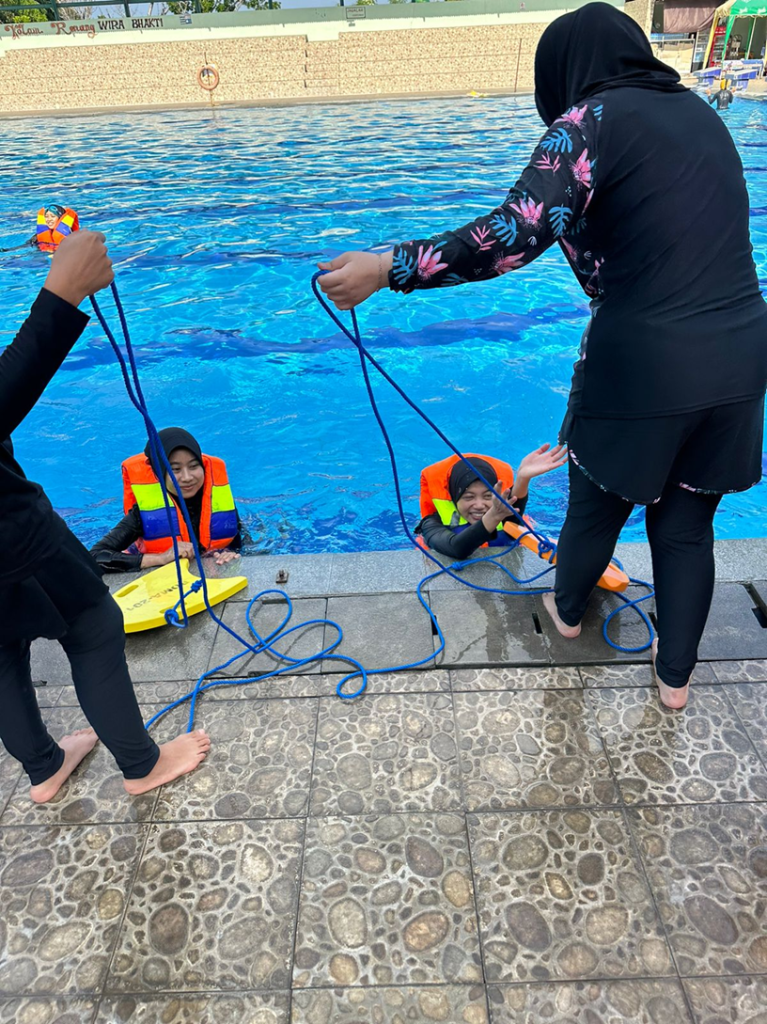
1 credits of water rescue skills in the course of reasoning and clinical skills
5 credits of family medicine blocks
Educational activities are also accompanied by research and community service activities.
Table 1. Design of Mapping of Undergraduate Learning Outcomes
| block | block name | Learning Outcome/Topic |
| 1 | LEARNING | -Explain the description of the condition of health services in remote areas and their challenges – Explain the factors that affect anemia in the population of the area |
| 2 | biometic | Describe the mechanism of oxygen and nitrogen toxicity |
| 3 | homeostasis | Explain the influence of the work environment of the waters, coastal and marine health on health -Recognizing the risk of work in coastal areas, waters and the sea (nutritional risk, accident risk) - Body adaptation to changes in weather, air humidity and wind |
| 4 | Body defense | Students are able to explain the definition of marine animal envenomation Students are able to explain the process of immunological reactions to envenomation or stings of marine animals Students are able to explain innate and adaptive responses to marine animal envenoms Students are able to explain hypersensitivity reactions due to envenomation of marine animals |
| 5 | nutrition and metabolism | Making educational materials related to the nutritional value and benefits of seafood, seafood facts and myths in pregnancy |
| 6 | circulation and distribution | Describe the physics of diving |
| 7 | place | Able to provide education to the community regarding health risks in coastal areas (Integration of Education, Research, & Dedication) |
| 8 | behavior | Able to provide education to the community regarding health risks in coastal areas (Integration of Education, Research, & Dedication) |
| 9 | genetics and the stages of life | Able to provide education to the community regarding health risks in coastal areas (Integration of Education, Research, & Dedication) |
| 10 | Cardiovascular | Analyze the emergency referral system for heart disease in the archipelago to optimize the treatment of |
| 11 | respiratory | Able to perform screening of hyperbaric patients and radiological investigations for cases of lung barotrauma |
| 12 | hematology | Describe the physiological stress of hematology in decompression |
| 13 | digestive | Diagnosing and providing management of cases of seafood poisoning, seafood allergies, |
| 14 | urogenital | Able to diagnose and manage marine animal stings on the genital organs |
| 15 | endocrine | Able to analyze the impact of damage to the coastal and marine environment on the endocrine system and the metabolism of the body of coastal communities. |
| 16 | reproduction | Analyze the Maternal Emergency Referral System in the Archipelago Region to optimize handling |
| 17 | neuropsychiatric | Analyze the referral system for stroke cases in the archipelago to optimize handling |
| 18 | integumentary and musculoskeletal | Able to diagnose and provide management of cases of dermatitis due to stinging |
| 19 | sense | Able to identify cases of eye trauma due to activities on the coast (trauma and stings), pterygium, damage from sun exposure |
| 20 | emergency | Able to diagnose and provide management of near-drowning cases |
| 21 | Family medicine | Able to analyze the role of doctors in disaster situations |
B. Mapping of Learning Outcomes for the Education of the Doctor Profession Stage
As in the undergraduate stage, the Munggul Medicine Islands are presented in special courses and are integrated with other subjects:
1 credits of the Archipelago Medical Excellence Content
5-20 % credits for other professional courses
Table 2. Design of Mapping Learning Outcomes at the Professional Stage.
| no | part | learning outcomes |
| 1 | internment | Able to provide emergency management due to shocks from marine animals (shock) |
| 2 | Obstetrics and Gynecology | Identify high-risk pregnancies for pregnant women in coastal areas, emergency management in pregnant women in ship accidents/marine transportation |
| 3 | surgery | Able to provide emergency management of trauma caused by coastal and marine activities |
| 4 | pediatric health | Identify child emergencies on the coast, botulism (due to glass exposure, bottle caps, marine animals) |
| 5 | ophthalmology | Able to provide emergency management of cases of eye trauma due to activities on the coast (trauma and stings), pterygium, damage due to sun exposure |
| 6 | neurology | Able to diagnose and refer to neurological disorders due to decompression |
| 7 | psychiatrical | Describes specific phobia (2), thalassophobia (phobia of wide and deep waters) |
| 8 | dermatology and venereal disease | Diagnosing dermatitis due to shock from marine animals and activities in the water |
| 9 | the science of the ear nose throat | Diagnosing and providing treatment for cases of motion sickness (4A), acute acoustic trauma (3A), auricular trauma (3b), otitis externa (swimmer ears), barotrauma related to decompression ear |
| 10 | public health science | Identify, plan and evaluate disasters at sea and coast |
| 11 | anesthesia | Provides emergency treatment for near-drowning |
| 12 | forensics | Identify cases of drowning death (3A), barotrauma (2) |
| 13 | radiology | Diagnosing pulmonary barotrauma and radiological screening of hyperbaric patients |
c. Mapping of Learning Outcomes for Bachelor of Pharmacy Education
The curriculum content at the undergraduate stage consists of three parts: mandatory content, core content and local content with consecutive percentages are 5-10%, 65-75% and 15-30%.
The local content developed by PS Pharmacy FK Unram is Community Pharmacy and Ethnomedical. The implementation of local content in the curriculum structure of the PS Pharmacy PS FK Unram is explicitly stated in the form of compulsory and elective courses, and is implicitly integrated in the core content course.
The weight of local content in the PS Pharmacy PS curriculum FK Unram, both explicitly and implicitly, in the compulsory and elective courses is 30.25 credits (20.30% out of a total of 149 credits).
Educational Development Documentation
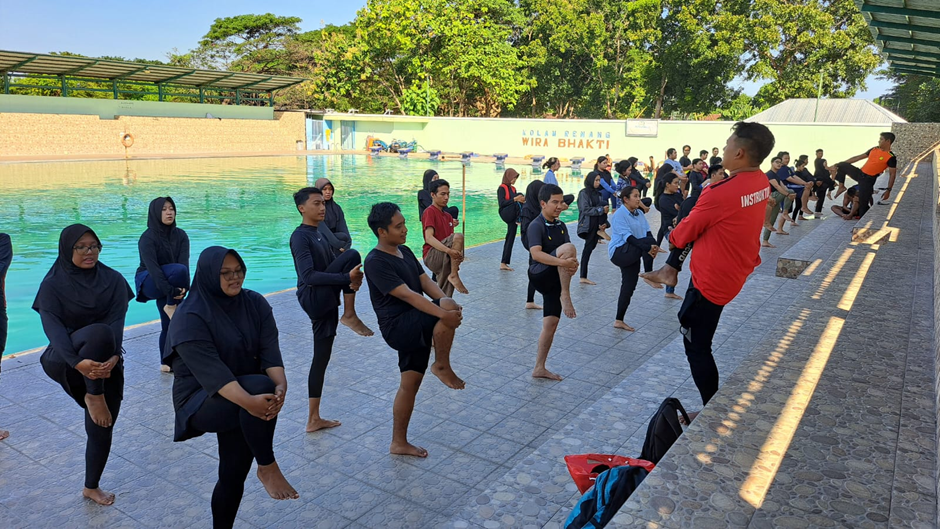
Water Rescue Training Activities on the Featured Load Block by the Basarnas Team at the Wirabhakti Swimming Pool
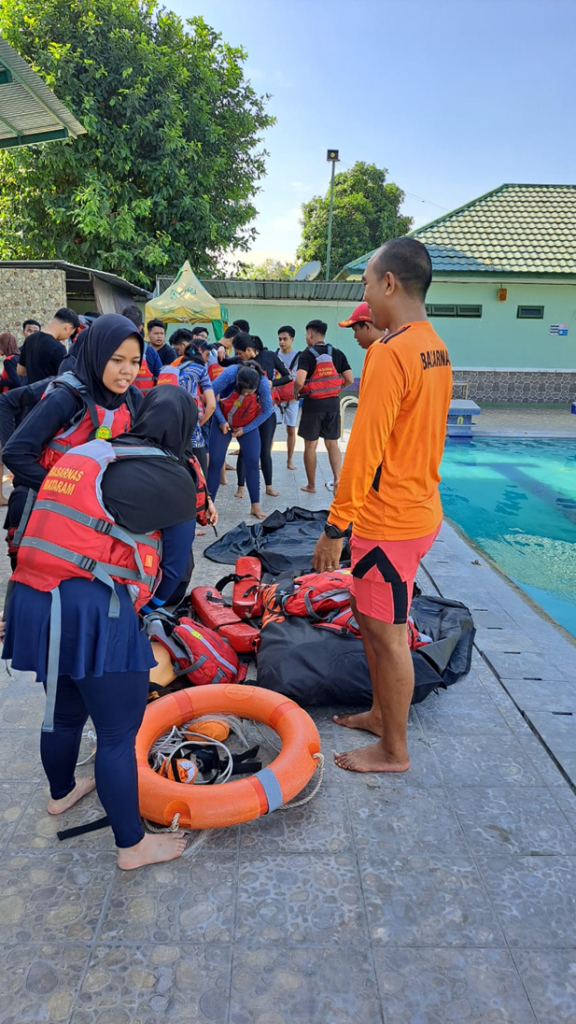
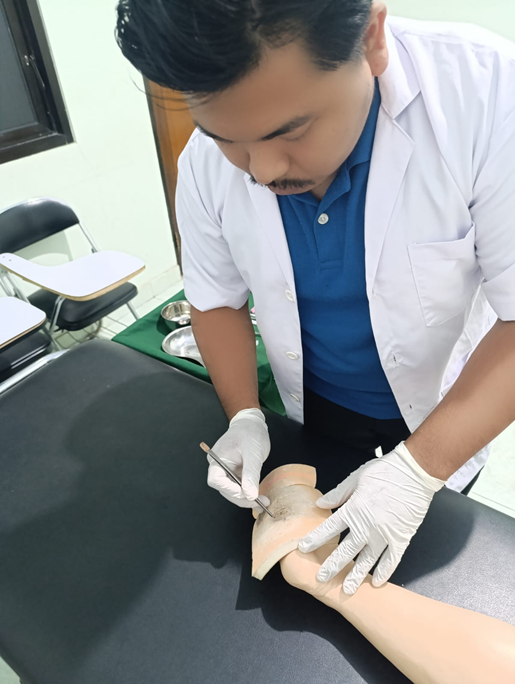
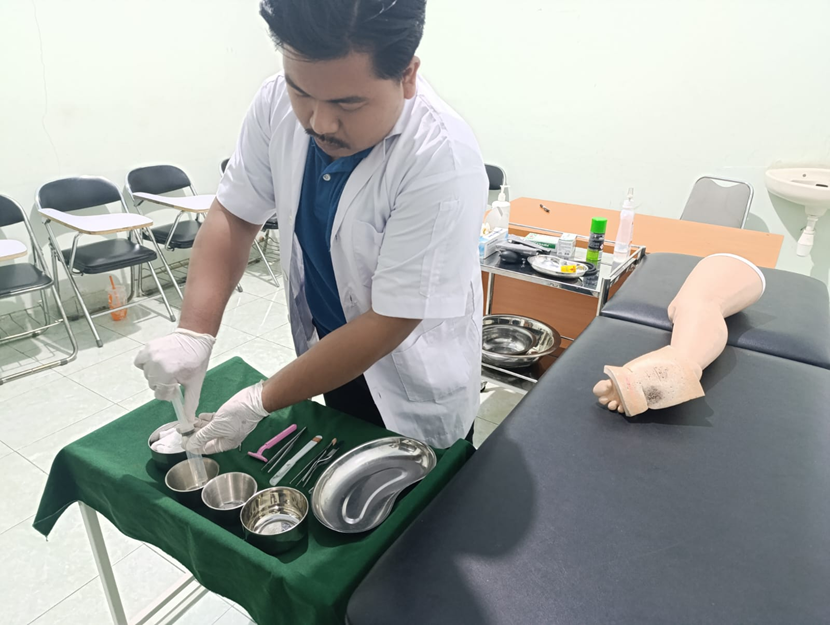
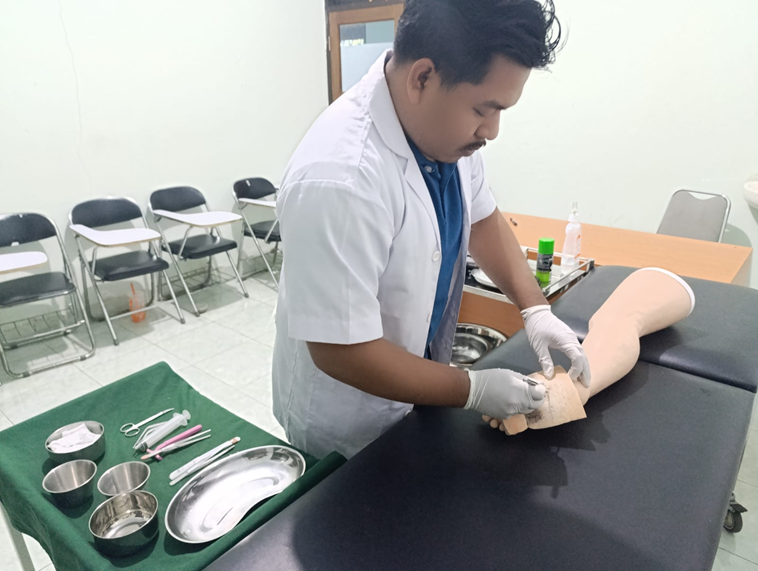
Skills extraction medical skills in preclinical students